
Hawthorn berries: identify, harvest, and make an extract
Hawthorn Berries: Identify, Harvest, and Make and Extract
Hawthorn berry harvesting is a new one for me this year. They are sweet and mild if you get them at just the right time, and in past years I was tasting them too early in fall. This year, Washington hawthorn was sweet and mild in late October. But by that time, single-seeded hawthorn was beginning to rot, so next year I’ll look for those in mid-October.
I owe some credit to Josh Fecteau’s recent hawthorn post, which inspired me to try hawthorn berries again. As Josh points out, there are many hawthorn species, perhaps 50 in New England. And, in all of North America, possibly a thousand species, according to George Symonds (from his wonderful book Tree Identification Book : A New Method for the Practical Identification and Recognition of Trees
Why bother with hawthorns? They are beautiful, interesting, and tasty wild edibles with known health benefits. Some people use the berries to make hawthorn jelly, but I have yet to try this. Berries, leaves and flowers can be used to make a tea. Scroll down to the bottom of the page to see how I am making hawthorn berry extract.
I’m going to describe two species here, to exemplify the general characteristics. That should help you recognize a hawthorn when you see one, but if you are uncertain that you have a hawthorn when foraging, please check with additional sources until you ARE certain, before eating the berries.
Washington Hawthorn, Crataegus phaenopyrum
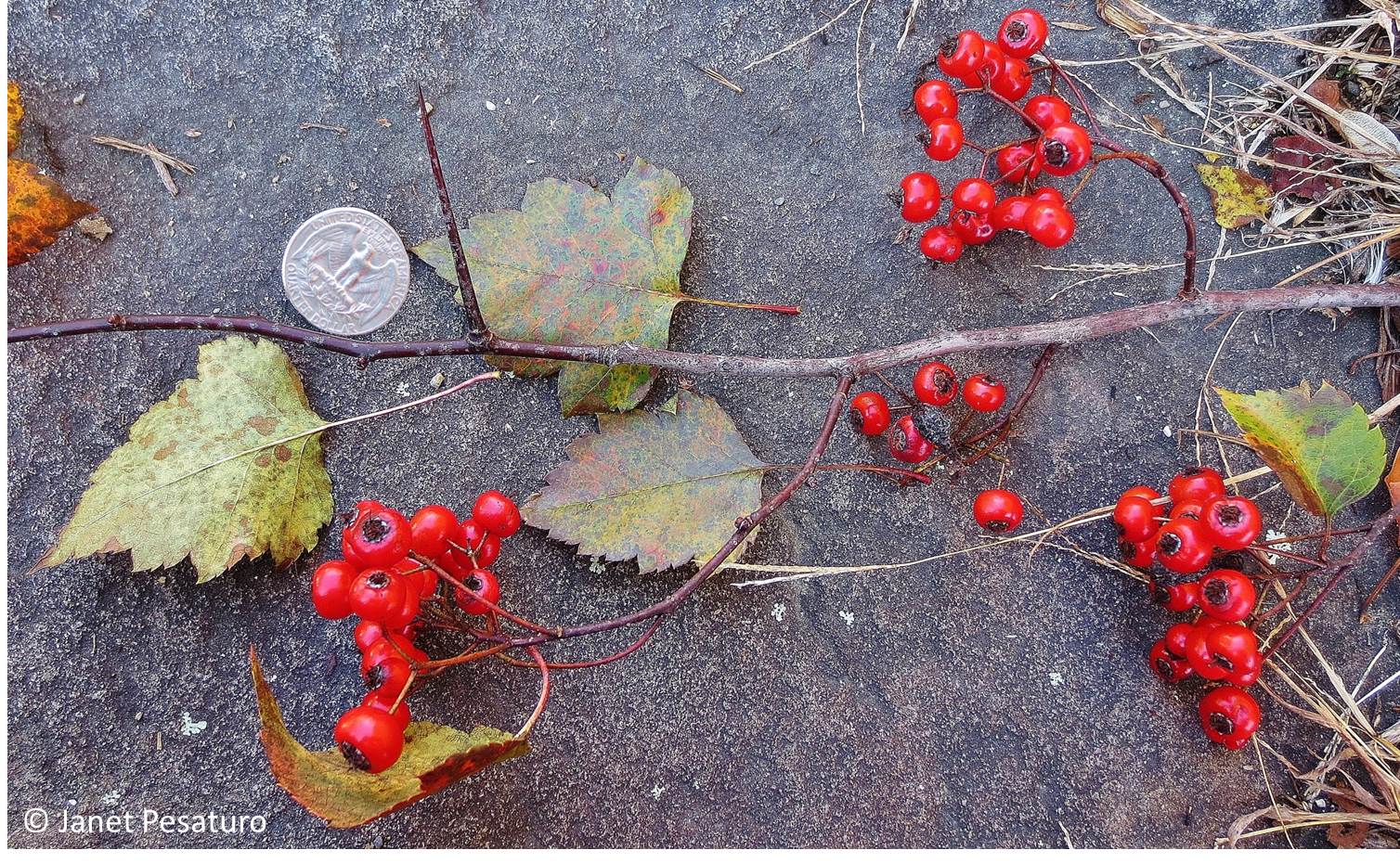
Washington hawthorn (Crataegus phaenopyrum): berries, leaves, thorns in early November. Coin for scale.
This grows as a small tree or large shrub, and bears clusters of white flowers in late spring. The berries turn red in September (here), but sweeten later. By October 31st, they were sweet, and maybe slightly past peak. Each berry has 3-5 seeds.
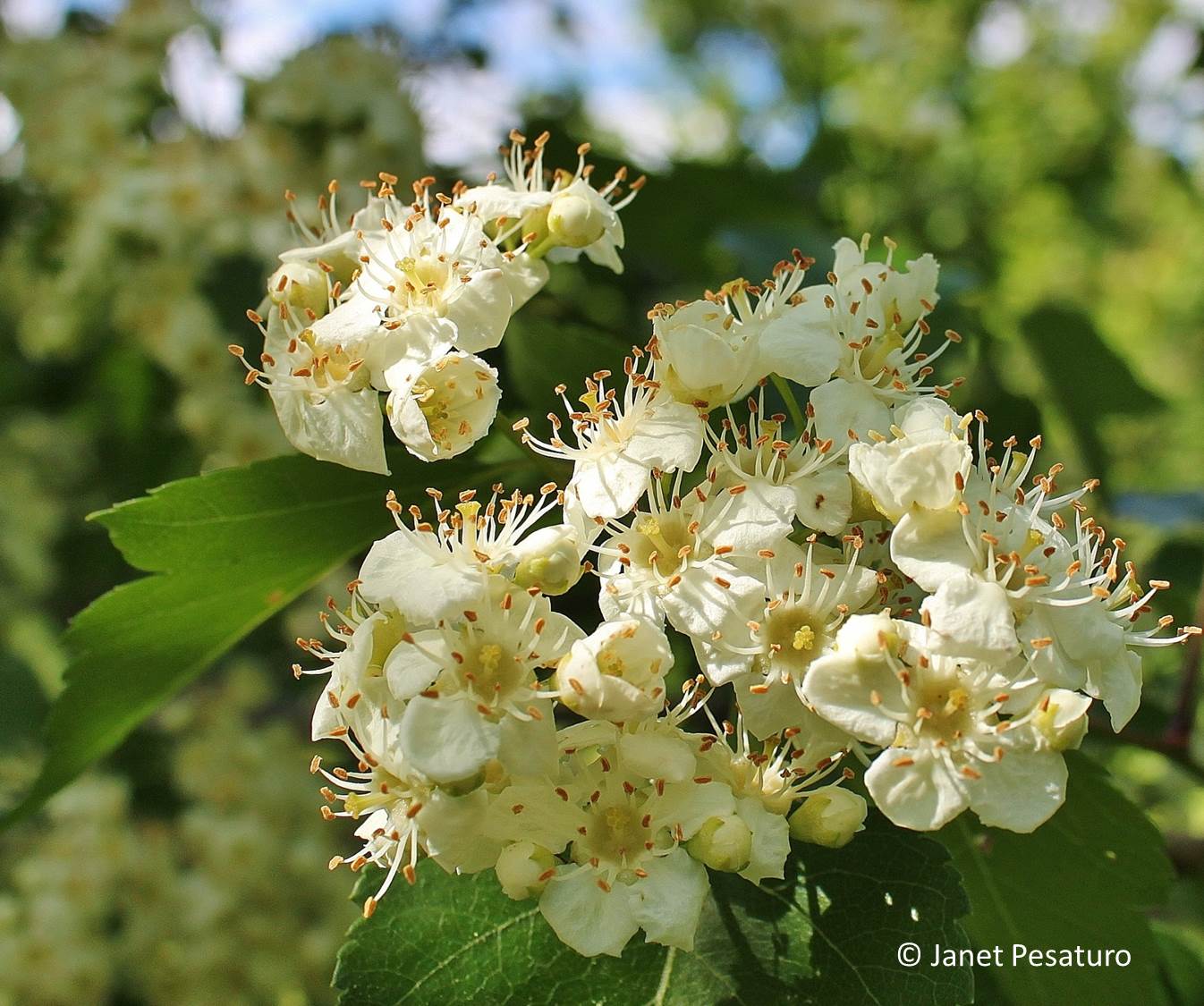
Hawthorn Berries: Identify, Harvest, and Make and Extract. Photo shows flowers of Washington hawthorn.
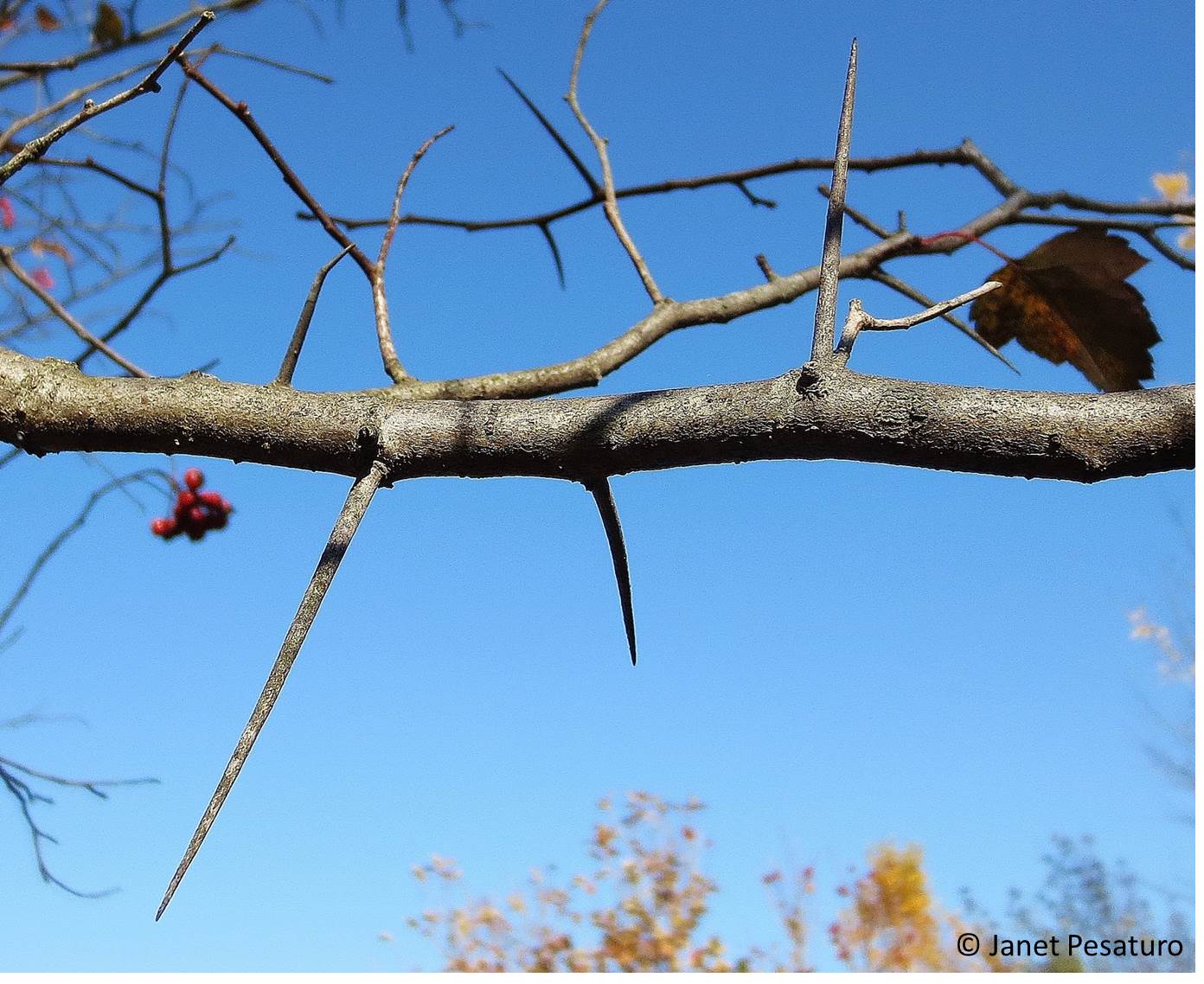
Washington Hawthorn: Identify, Harvest, and Make and Extract. Photo shows thorns of Washington Hawthorn.
The leaves are lobed and toothed, as you can see in my photo above. Many other hawthorn species have similar leaves. The tree is heavily armed with long thorns, up to about 3 inches in length. However, with reasonable caution, you can easily harvest the berries, which tend to hang away from branch. It’s even easier later in the season after many of the leaves have fallen and no longer obscure the thorns.
Single-seeded hawthorn, Crataegus monogyna
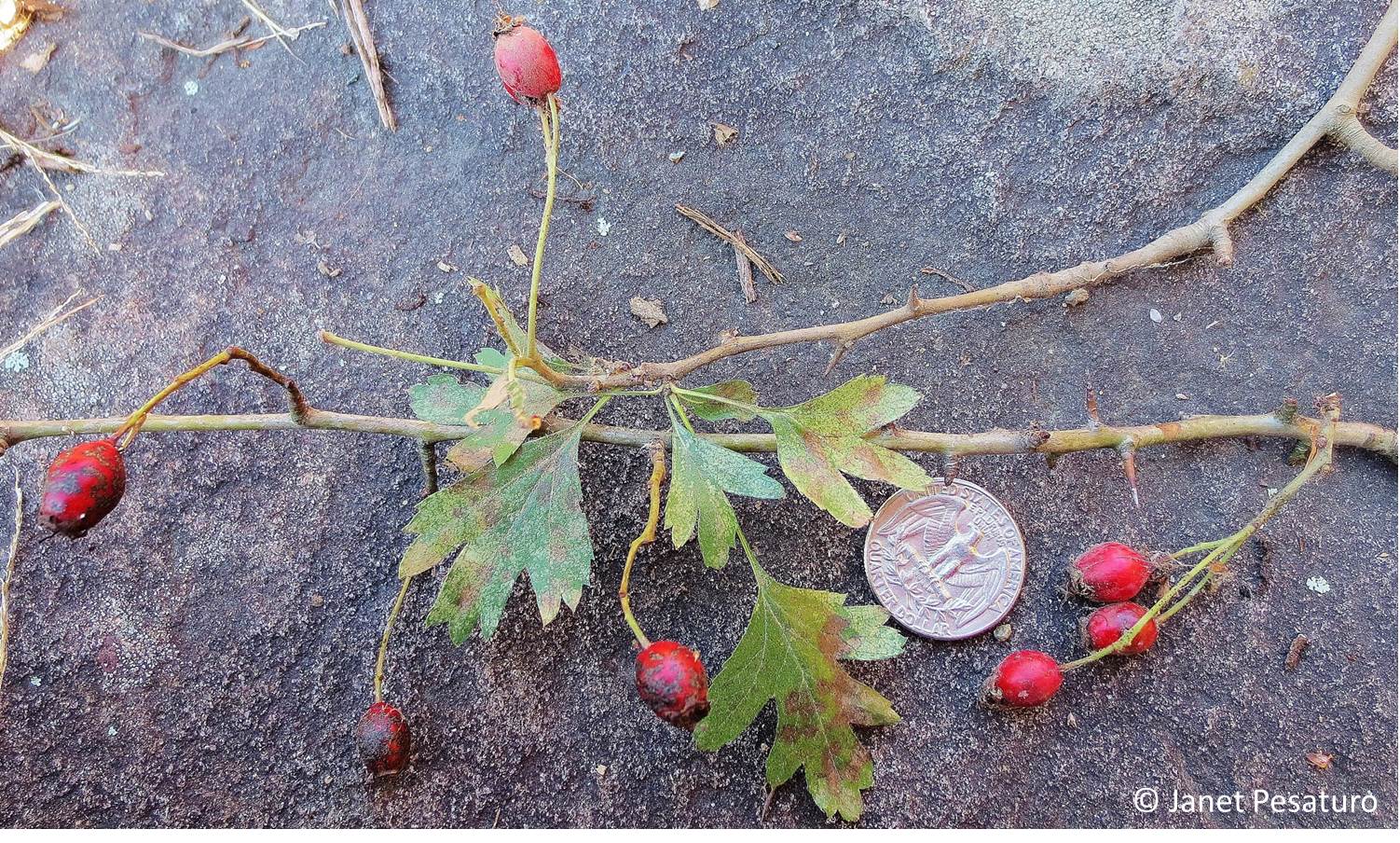
Single-seeded hawthorn (Crataegus monogyna) berries, leaves, and thorns
Also called common hawthorn, this is a European native which has escaped cultivation and naturalized in North America. It is sometimes branded as an invasive plant, but I don’t find it very often, and when I do see it, there isn’t a lot of it in one area. Perhaps it is invasive in other parts of the country, but it does not seem to be particularly aggressive here. Like Washington hawthorn, single-seeded hawthorn grows as a shrub or small tree, and bears clusters of white blooms in late spring. The oval red berries ripen a little earlier (than Washington hawthorn) in fall and contain a single seed (hence the name). The toothed leaves are more deeply lobed than those of Washington hawthorn, but the thorns are much smaller, only about 1/2 inch to an inch in length.
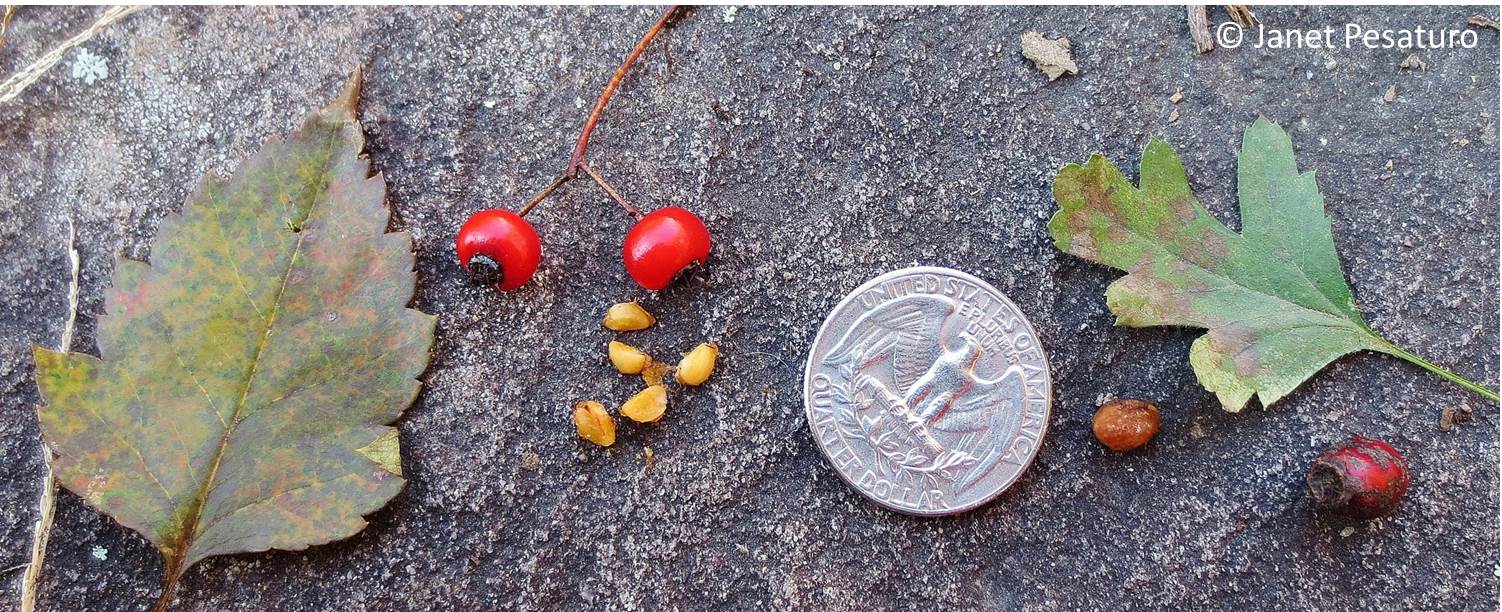
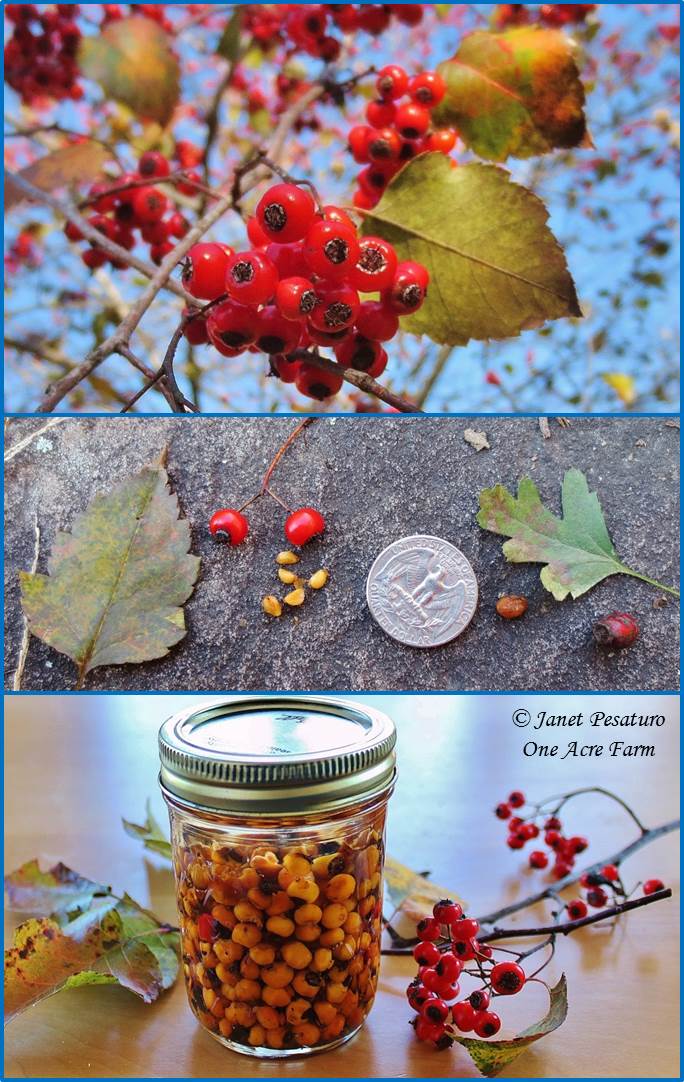
Compare leaves, berries, and seeds of Washington hawthorn (left) and single-seeded hawthorn (right)
Summary of hawthorn characteristics
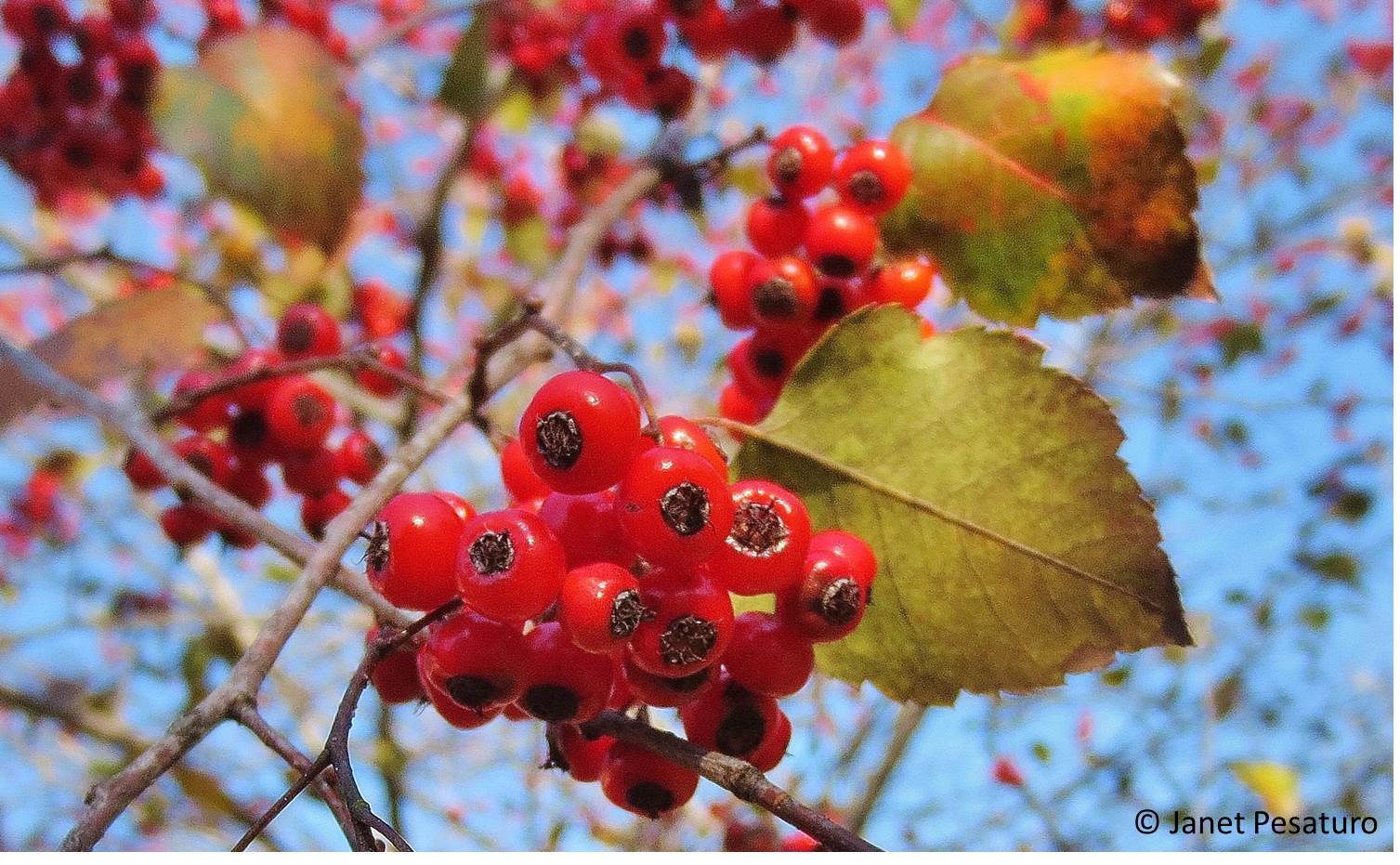
Washington hawthorn loaded with berries
- Grows as small tree or shrub
- Smallish, toothed leaves which are lobed to varying degrees
- Thorns which vary in size, depending on species
- Clusters of flowers (usually white, but some species have pink or red) in spring
- Clusters of edible red berries in fall
- Berries contain one or more seeds which should not be consumed due to cyanide content
- Fruits most prolifically in sunny spots
Where to find hawthorn berries
Hawthorns are common in the forest understory here in Massachusetts, but those are scrawny specimens which do not fruit well. It’s too shady in the forest. To find fruit laden hawthorns, look in sunny spots, such as shrubby fields and thickets, at pasture edges, and along streams. They are often planted as ornamentals, so if your friend has one and doesn’t mind you picking some berries, you have an easy foraging experience at your fingertips.
Make hawthorn berry extract
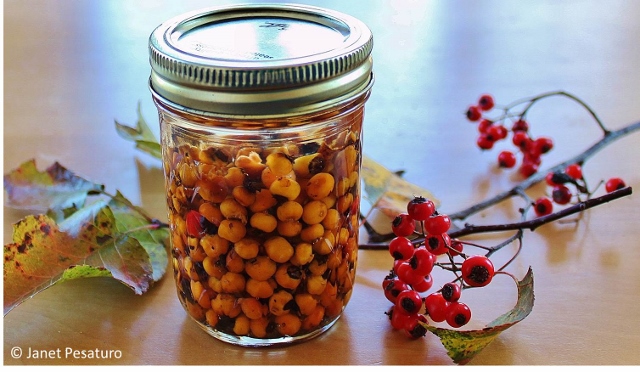
This is my first experience using hawthorn berries, and I am using them to make an extract, with the same process you would use to make vanilla extract. I hope to use hawthorn extract as a flavoring in cooking and baking. I filled a clean canning jar about 3/4 full with berries, covered them with 80 proof vodka, and capped the jar. I am not sure how long it will take to extract enough flavor from the berries, so I will be checking it daily. I know that other extracts, (such as vanilla extract) take weeks, so that’s what I’m expecting here.
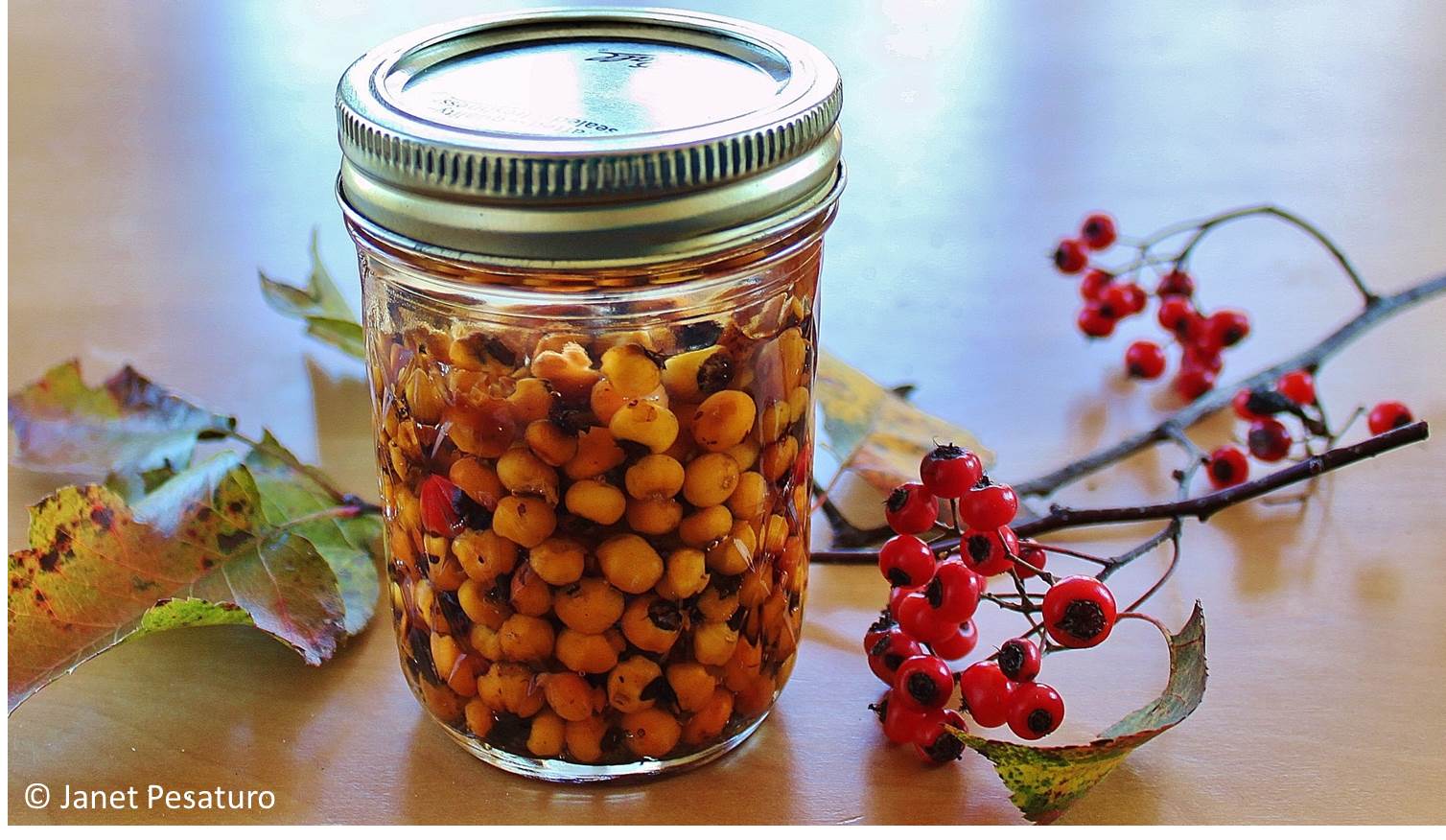
Extract in progress: Hawthorn berries in vodka. After just 24 hours, berries faded to yellow.
Sources consulted for species identification:
These are the authoritative sources for plant identification in the US.
- Manual of Vascular Plants of Northeastern United States and Adjacent Canada
- Illustrated Companion to Gleason and Cronquist’s Manual: Illustrations of the Vascular Plants of Northeastern United States and Adjacent Canada


Shared on:

