
Bumblefoot treatment with TricideNeo
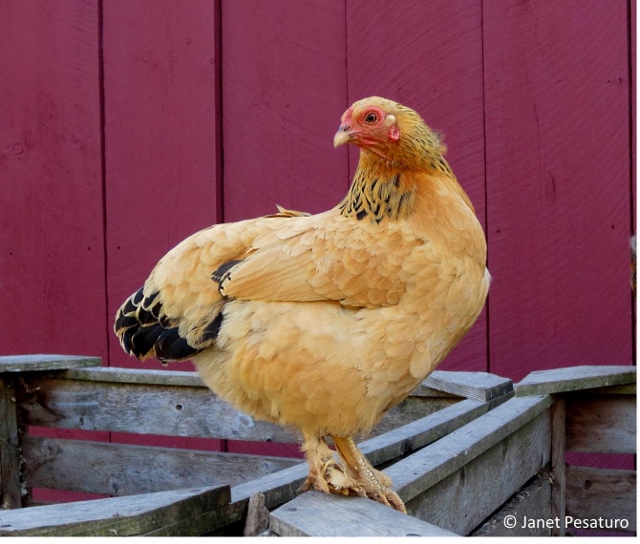
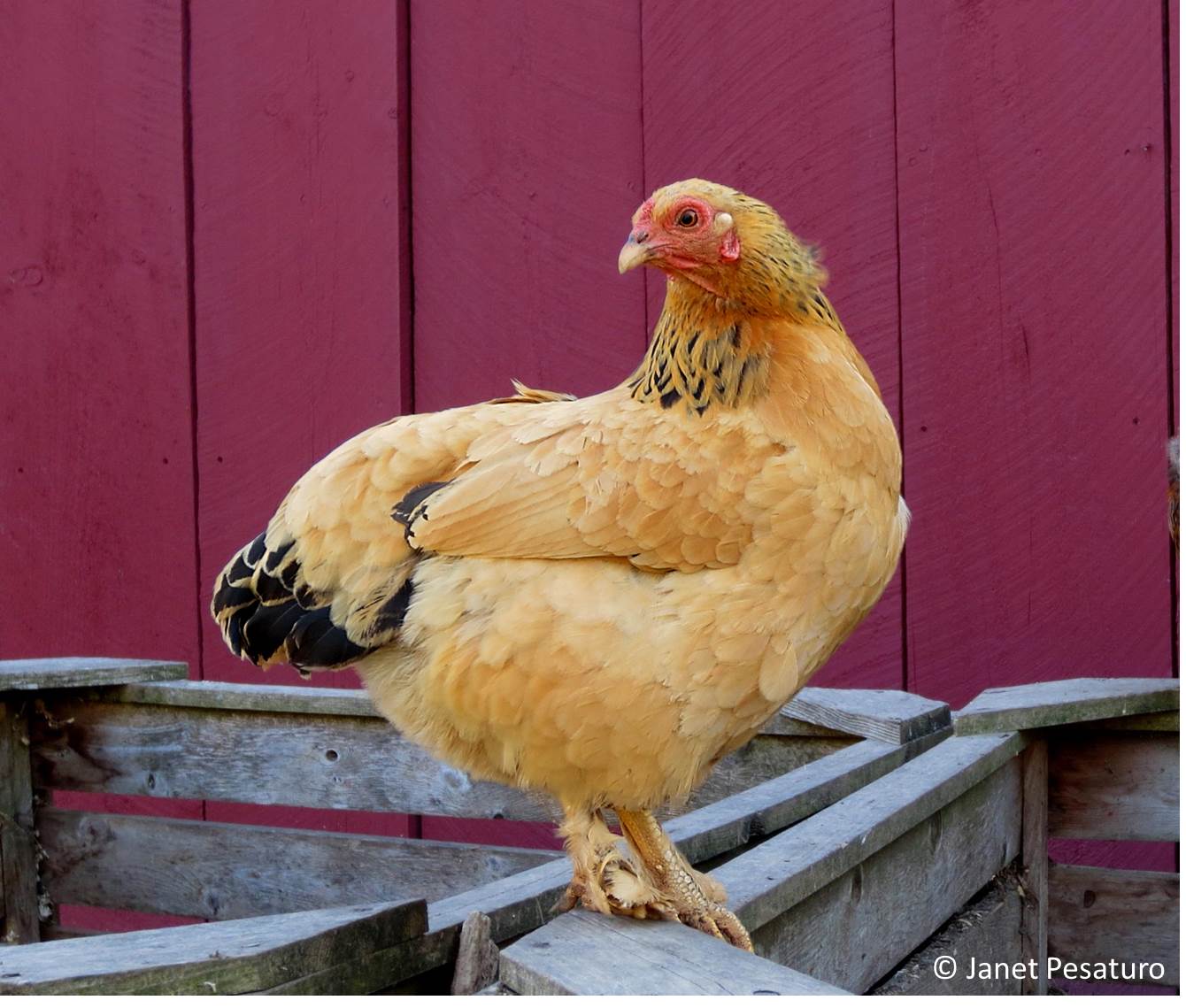
My chickens like to perch on the rims of the composters, which is fine until the wood begins to decompose, exposing screws and splintered wood. Then it becomes a bumblefoot risk (see photo at end of post).
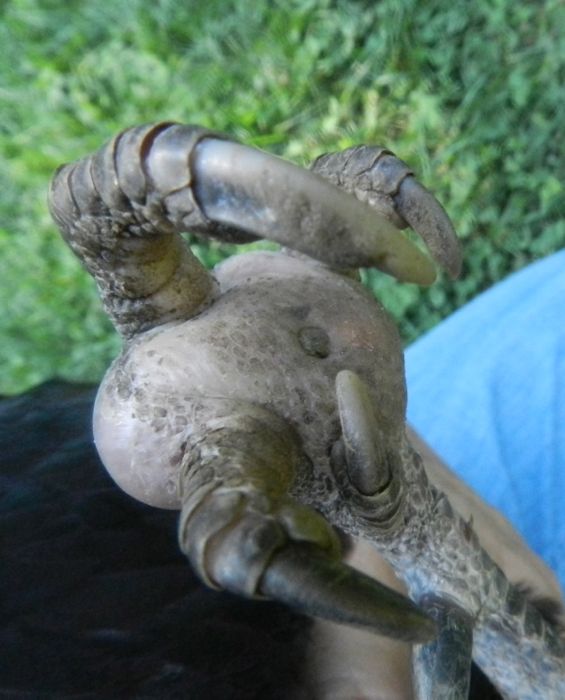
Bumblefoot, (pododermatitis) is a common, painful, and hard to treat problem in poultry. It usually appears as a swelling with a central dark scab on the pad of the foot, but it can spread throughout the foot and toes. It’s sort of an abscess – sometimes filled with yellowish pus, sometimes with cottage cheesy looking material, and in severe cases, with one or more lumps of hardened material. Affected birds usually limp in pain. Left untreated, the bacteria (usually Staphylococcus) can invade the blood stream, causing death overnight. As for most abscesses, surgical drainage and antibiotic treatment are the gold standard of treatment. But a few years ago, I read an interesting BYC thread on a non-invasive approach: bumblefoot treatment with TricideNeo antibiotic solution.

(Add. 12/1/2014 see this post for “before” and “after” photos of bumblefoot cases treated with TricideNeo)
The treatment involves daily soaking in the antibiotic solution. I tried it on all 3 of my bumblefoot cases, and guess what – It worked! All healed completely with nothing more than daily TricideNeo soaks, for several days to a few weeks. I added my success story to bumblefoot threads on poultry forums, and continue to receive many questions about its use and effectiveness. So, I thought it might be helpful to write up my answers to the most frequently asked questions. If you still have questions, or just want to share your experience with bumblefoot, feel free to leave a comment at the end of this post.
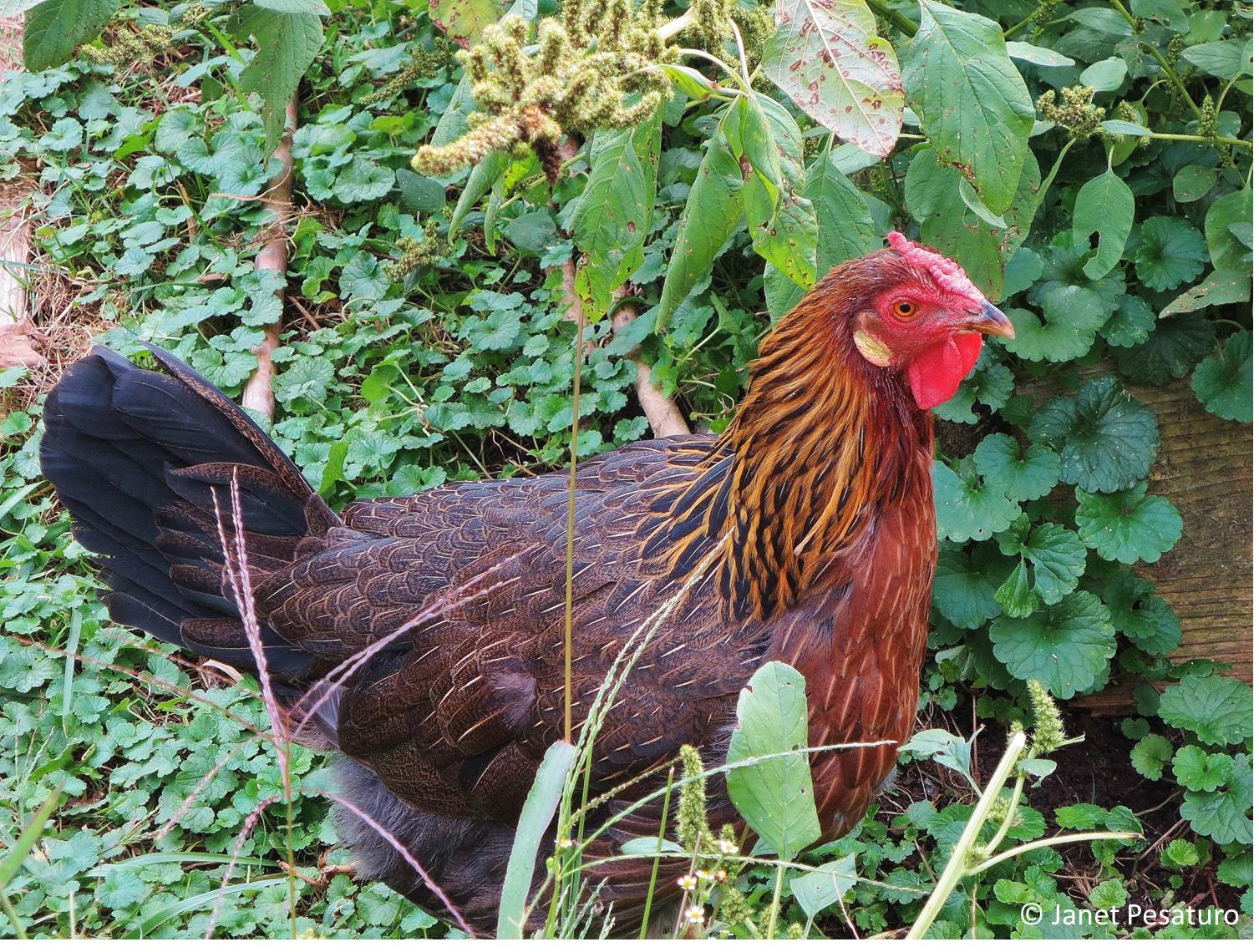
This hen’s bumblefoot was successfully treated with TricideNeo last year.
Please note that I am neither a veterinarian nor a bumblefoot expert. I am writing this as a fellow chicken keeper whose birds recovered from bumblefoot with TricideNeo soaks. And, no, I cannot prove that the antibiotic soaks are what did the trick. Maybe my birds would have healed naturally without any treatment at all – Mild bumblefoot occasionally does heal spontaneously. However, I am encouraged by a success rate of 3 out of 3, for a problem which is notoriously difficult to treat and which frequently recurs.
So let’s get to the FAQ’s:
What is TricideNeo and where can I get it?
TricideNeo is an antibiotic preparation that is used to treat skin ulcers on koi fish, and is sold where koi pond supplies are sold. It contains an antibiotic called Neomycin and an antibiotic potentiator. The latter pokes holes in bacterial cell walls, damaging the bacteria. If that’s not enough to kill the bacteria, the holes allow neomycin to easily enter and deliver the final blow. For more detailed information, click here.
How do I mix up the TricideNeo solution?
I used the same concentration used for treating koi fish, mixing it exactly as indicated on the instructions that come with the packet. Use distilled water (can be purchased at most supermarkets) as indicated on the packet. Distilled water is necessary because chemicals in tap water can deactivate TricideNeo. A 22 gram packet makes 1 gallon of solution, and a 110 gram packet makes 5 gallons. Be sure to store the solution in a cool, dark place. It is good for 1 week.
TricideNeo is expensive – how can I stretch it?
The solution has a shelf life of 1 week, so you should mix only enough to last for a week. For a chicken, a quart is enough for about 1 week of soaks. An entire 22 gram packet makes a gallon of solution, so use 1/4 of that to make a quart. You can measure either by weight (5.5 grams per quart of distilled water) or by volume (determine the number of teaspoons in a 22 gram packet, and use 1/4 of that per quart of distilled water).
How do I soak the foot?
Using a shallow container just large enough to comfortably accommodate the bird’s foot, add enough antibiotic solution to just cover the foot. If the upper part of the foot is not affected, you don’t really need to cover it, but cover the entire lesion, wherever it is. Hold the bird with her foot in the solution for 5 minutes. Then giver her a pat on the head and send her back to the flock. One 5 minute soak a day, that’s it.
Is it okay to soak in cold weather? Should I use hot water?
Yes, you can soak in cold weather, but be sure to dry off the foot when you are done soaking! Imagine how it would feel if you went out into the cold with wet hands. That’s how the chicken would feel out in the cold with wet feet. I do not know if it’s okay to mix TricideNeo in hot water, but since it is no meant to be used in hot water, I would not do it. In cold weather, I’d use room temperature to lukewarm water.
Should I pre-soak the foot in epsom salts?
A lot of people like to soak bumblefoot in epsom salts, and some people say this occasionally leads to complete healing. I don’t know. I wouldn’t pre-soak, because some of the salts (and tap water, if that’s what you use with the epsom salts) might remain on the foot when you soak in TricideNeo. Given that chemicals in tap water can deactivate TricideNeo, I wouldn’t throw epsom salts into the soup.
Can I re-use the TricideNeo that I just used for a soak?
I think it’s better not to, and I do not re-use it. A fresh soak is probably more effective than a stale, sullied one. I certainly would not re-use it on a different chicken from a different coop, because that would risk transmitting bacteria from one set-up to another.
How do I dispose of used TricideNeo solution?
According to FDA Guidelines, you should mix something into liquid antibiotics, (such as dirt, cat litter, chicken coop litter), to absorb some of the liquid and to make it unappetizing for a critter to drink. Then close it up and put it in the trash. Do not flush it or pour it down the drain. Antibiotics in our water supply can encourage emergence of antibiotic resistant bacteria, a serious public health problem.
Should I wrap the foot after TricideNeo soaks?
I never do, and I don’t think there is any reason to do so, if you have not performed surgery.
Should I isolate the bird?
There is no reason to isolate her unless flock mates notice her ailment and begin to bully her.
How will I know when bumblefoot is better? When do I stop the soaks?
I soaked until the dark spot and swelling had completely disappeared, then for an extra couple of days for good measure. This condition is difficult to treat and recurrence is common, so I did not skimp on soaks.
How long does TricideNeo take to work?
My most difficult case – the one with the most swelling – took about 3 weeks of daily soaking. My mildest case took 4-5 days, but I continued soaking for 7 days just to be sure.
Does TricideNeo work for all bumblefoot cases?
No. Some people have posted that even after daily soaks for weeks or even months, the bumblefoot did not improve. It’s possible that they did not mix the solution properly, or that their case was too severe for this treatment.
What kind of bumblefoot will do well with TricideNeo treatment?
Here’s my opinion, for whatever it’s worth:
- No fever (does not look ill, other than limping from foot pain, and is eating and drinking normally)
- Has the typical uncomplicated swelling and dark spot.
A bird who appears acutely ill might have a fever, and probably needs treatment that will bring immediate results: a shot of antibiotics and bumblefoot surgery. If the swelling is extremely large, multilobed and/or disfigured, like this, surgical treatment is probably necessary.

Isn’t it cruel to hold a bird steady and soak its foot? Wouldn’t surgery be more humane?
Yeah, I thought that was an odd question, too. But people can be passionate about their chosen methods of animal care, and there are those who passionately advocate for surgical treatment over TricideNeo soaks. The most absurd argument for surgery that I have seen is that soaking a bird’s foot for 5 minutes a day is inhumane because it is stressful for the bird to be held still for that long.
Right. So an untrained person cutting into an un-anesthetized bird is somehow more humane? I don’t think so. If you can handle the graphic photos, read this brief thread and study that bird’s foot. Tell me if you think that three-time surgical ordeal of cutting and digging was more humane than either euthanasia or soaking would have been.
Surgery is a fine option if the bird needs it, and if whoever does the procedure knows what they’re doing.
If my bird needs surgery, should I do it myself?
It’s your decision. As far as I know, chickens are not protected by animal welfare laws to the same level as pets, because they are considered livestock. This is unfortunate, since livestock feel pain just like pets. If you’re dealing with an advanced case of bumblefoot that looks like it will require a lot of cutting and digging, and you do not have experience with this, please take the bird to a vet or give it a decent burial. Just because bird feet look nothing like human feet doesn’t mean they feel no pain.
If you would like to see an example of this surgery being done on a case of simple bumblefoot, watch the following video, and let me know if you think it was painful for the bird:
Am I cruel if I euthanize a bird for bumblefoot?
No, not in my book. If it does not respond to soaking, you cannot take the bird to a vet, and the lesion is more than you think you can manage quickly and skillfully with surgery, euthanasia may be a reasonable option. Only the mildest cases resolve spontaneously. More severe cases tend to deteriorate.
Would it be helpful to do daily TricideNeo soaks after surgery?
I’ve never done bumblefoot surgery, so I don’t know how well this works. People have mentioned doing this on poultry forums, but I’ve never seen any follow-up on how their birds did.
Why do all my chickens have bumblefoot? How can I prevent it?
It’s important to understand that bumblefoot is an infection, and the only way bacteria can enter the foot is through some sort of wound, such as an abrasion or puncture. So, to prevent bumblefoot, prevent your birds from cutting their feet. Be sure the grounds and floors of their living space are soft. Litter in the coop should be a soft, dry material, such as pine shavings. Keep it clean, and do not allow it to become compacted. It’s a good idea rake/turn it daily to keep it soft and fluffy.
If you have large, heavy breeds, roosts should be low so that the birds do not sustain abrasions when their feet hit the floor after dismounting. An oft quoted rule of thumb is that roosts should be about 18 inches off the floor.
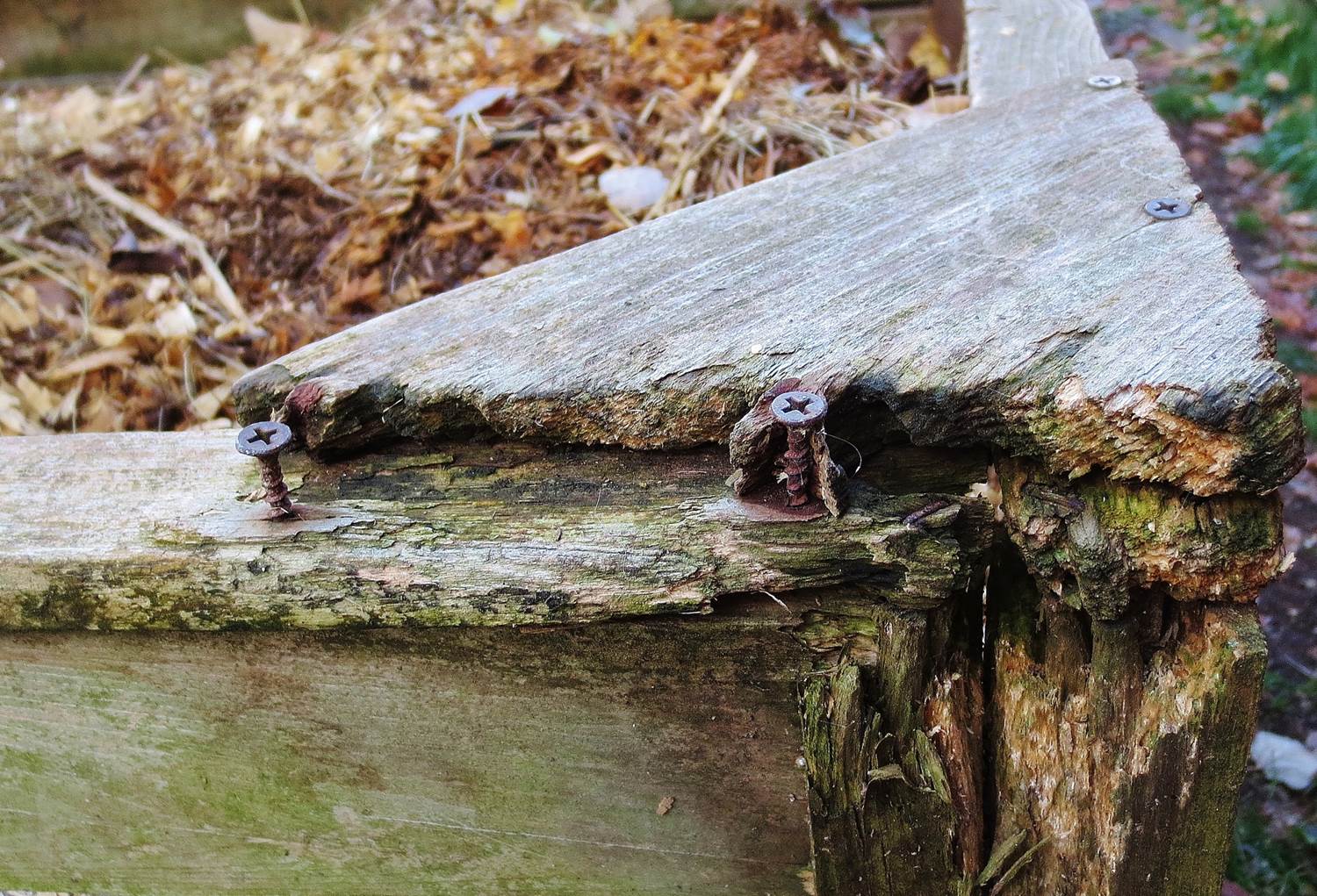
This compost bin is a bumblefoot hazard, with splintering wood and exposed screws.
Keep runs and yards free of gravel, low prickly vegetation, and other sharp objects that birds can step on. Keep an eye on structures in the chicken yard, and be sure there are no exposed nails, etc., wherever your birds perch or scratch. When I discovered bumblefoot in my birds last year, I found that some of the screws and staples had become exposed where the wooden frame of a compost bin was rotting away. I removed that old bin from the chicken yard, and have not had a case of bumblefoot since.
Have a question I didn’t address? Want to share your experience with bumblefoot? Leave me a comment!
Shared on:
- Homesteaders Hop #17
- Homestead Barn Hop #135
- Backyard Farming Connection Hop #56
- Tuesdays With a Twist #32
- HomeAcre Thankful Hop
- From the Farm Hop
- The 104 Homestead Blog Hop #6