Wintergreen Extract from Birch
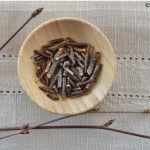
Both sweet birch and yellow birch produce methyl salicylate, also called oil of wintergreen. Learn to identify these trees and use them to make an alcohol extract of wintergreen.
Continue reading →Both sweet birch and yellow birch produce methyl salicylate, also called oil of wintergreen. Learn to identify these trees and use them to make an alcohol extract of wintergreen.
Continue reading →This wintergreen ice cream brownie torte uses a quick and simple ice cream recipe, enhanced with homemade chocolate chips and spread on a decadent brownie layer. Use homemade wintergreen extract if you’re a forager, or purchase ready made extract.
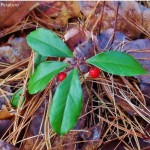
Continue reading →How to identify, locate, and harvest wintergreen leaves and berries, and use it to make an alcohol extract to give your culinary creations a wonderful minty flavor.
Continue reading →Learn to forage for hawthorn berries and use them to make hawthorn berry extract.
Continue reading →Most hickory nuts in the US are edible, the most popular one being the pecan, which has a limited range in the south. Here in central New England (and in much of the estern US), the most common hickories are … Continue reading →
Why not turn an invasive plant into an elegant dessert? This sumptuous pie starts with a nutty, no-bake graham cracker crust. It’s layered with a thick, sweet-tart autumnberry sauce made from the berries of the invasive shrub, autumn olive. Then … Continue reading →
Until recently, few people were aware that the berries of autumn olive, Elaeagnus umbellata, are edible. But the secret is out. More and more are harvesting these tasty fruits for both sweet and savory dishes. In addition to great flavor, … Continue reading →
Fruit purees and syrups add great flavor to ice cream, but the extra water can lead to crystallization, giving the ice cream a gritty texture. Not so with elderberry syrup. For whatever reason, elderberry syrup actually lends elasticity and smoothness … Continue reading →
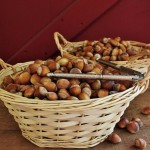
If I had to choose a favorite wild edible, it would be the hazelnut. Rich in protein, fat, and flavor, hazelnuts make a satisfying snack, and can be used in cooking wherever you would use their commercially available counterparts (called … Continue reading →